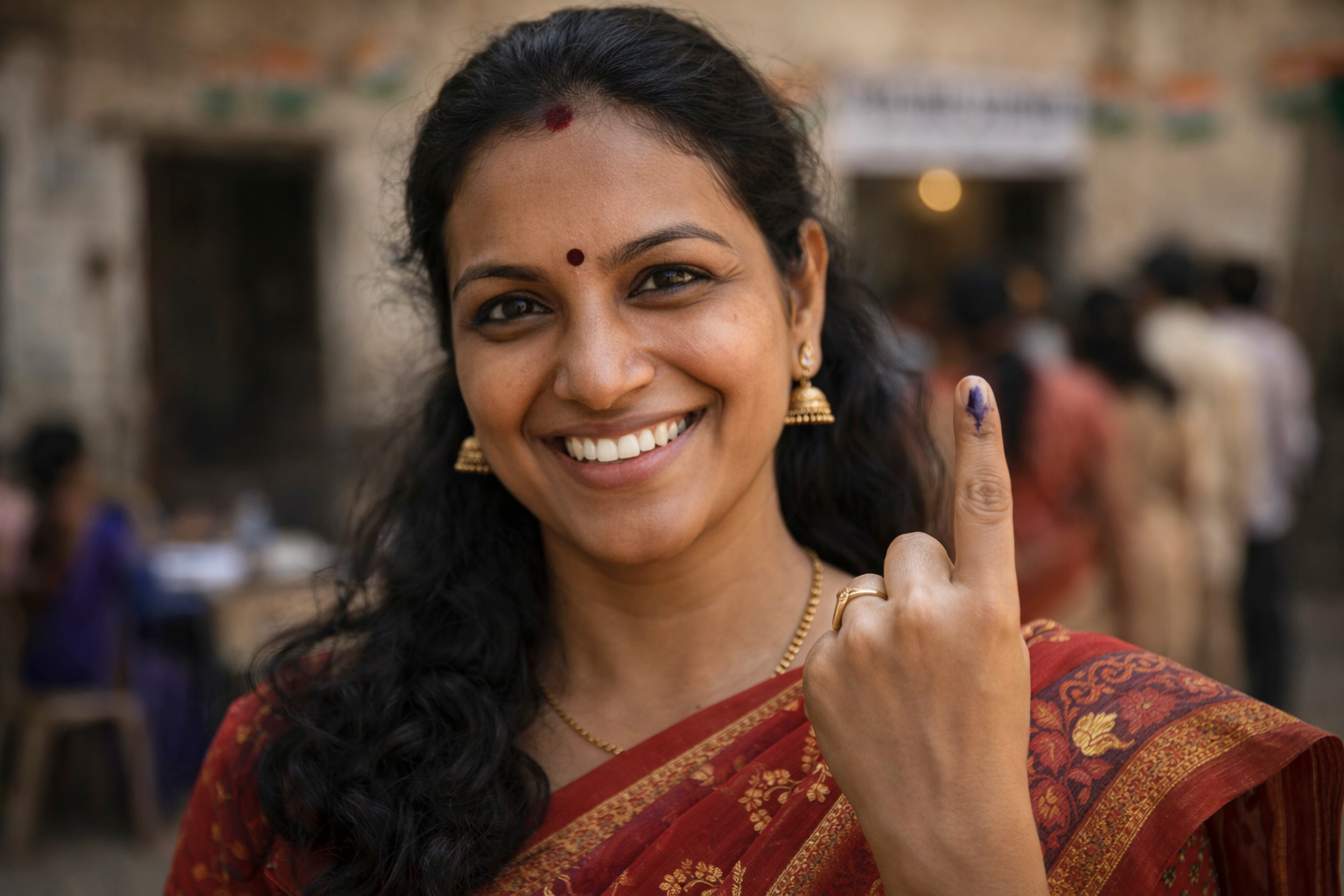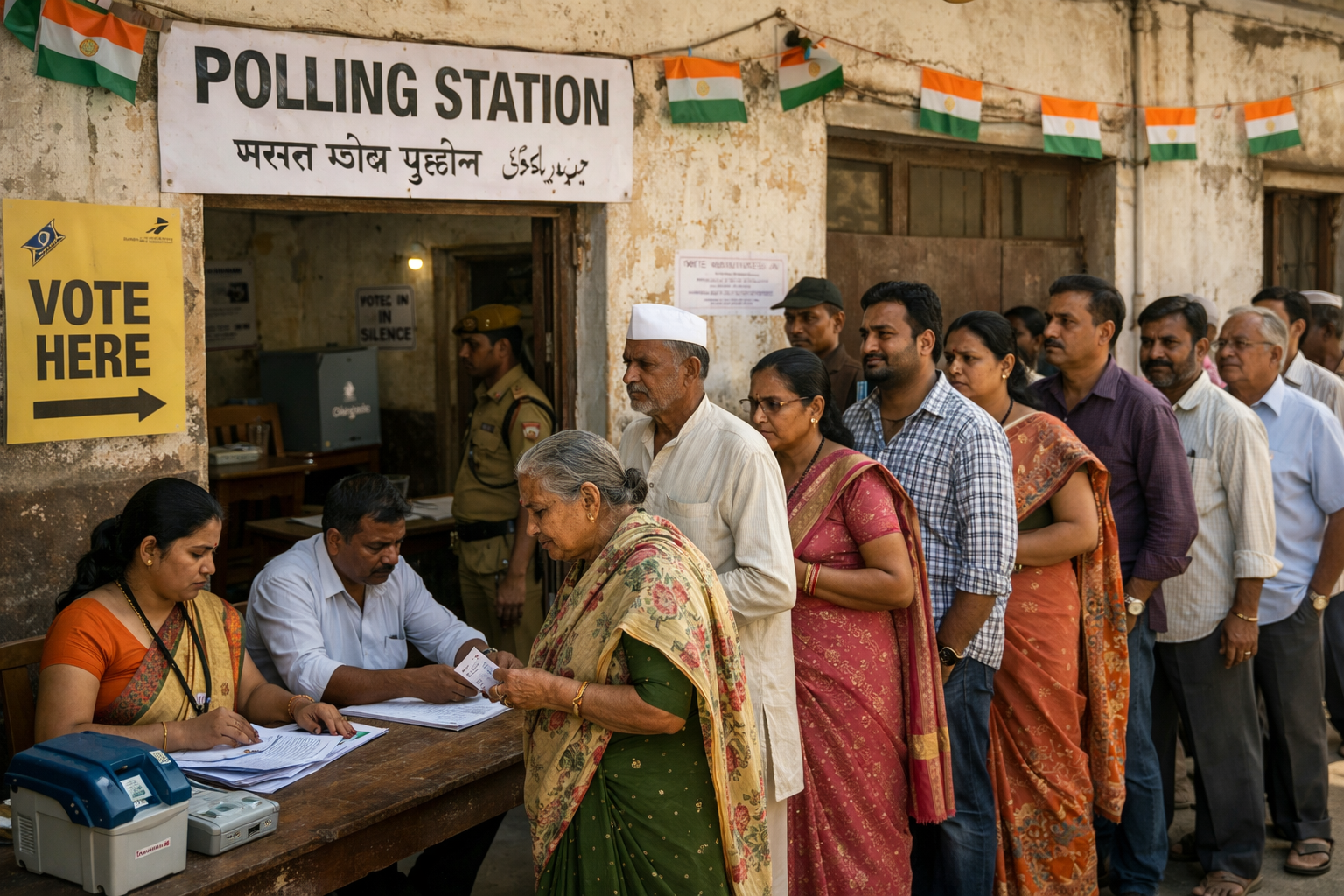
Challenges in the Indian Democratic System
India proudly calls itself the world’s largest democracy. With over a billion people, diverse cultures, languages, religions, and traditions, managing such a vast democratic system is nothing short of remarkable. Yet, beneath this achievement lie several persistent challenges that affect how democracy functions in everyday life.
Understanding these issues is essential—not to criticize the system blindly, but to strengthen it.
1. Money Power in Elections (
Indian Democratic System)
Elections are the backbone of democracy, but in India, they are increasingly becoming expensive affairs. Candidates often spend huge amounts on campaigns, rallies, and advertisements. (Indian Democratic System)
This creates two major problems:
- Honest but less wealthy candidates struggle to compete
- Political decisions may get influenced by financial backers
When money dominates politics, the focus shifts from public service to return on investment.
2. Criminalization of Politics
One of the most concerning issues is the presence of candidates with criminal backgrounds in politics. Despite legal provisions, many individuals facing serious charges still contest and even win elections. (Indian Democratic System)
This weakens public trust and raises a critical question:
Can law-makers truly uphold justice if they themselves are under legal scrutiny?
3. Caste and Religious Politics
India’s diversity is its strength—but it is also sometimes used as a political tool. Many political campaigns focus on caste identities and religious sentiments rather than real issues like education, healthcare, or employment. (Indian Democratic System)
This leads to:
- Division among citizens
- Emotional voting instead of rational decision-making
- Long-term social tensions
4. Lack of Political Awareness
A significant portion of the population still lacks awareness about their rights and responsibilities as voters. Many people: (Indian Democratic System)
- Vote based on short-term benefits
- Get influenced by misinformation
- Do not critically evaluate candidates
Democracy thrives on informed citizens. Without awareness, its quality declines.
5. Corruption and Lack of Transparency
Corruption remains a major hurdle in governance. From small administrative tasks to large government contracts, unethical practices can be found at multiple levels. (Indian Democratic System)
This results in:
- Misuse of public funds
- Delay in development projects
- Loss of trust in institutions
Transparency measures exist, but implementation is often inconsistent.
6. Weak Internal Democracy in Political Parties
Ironically, many political parties in India lack democracy within themselves. Leadership is often centralized, and decisions are made by a few individuals. (Indian Democratic System)
This leads to:
- Limited opportunities for new leaders
- Lack of accountability within parties
- Dynastic politics
7. Electoral Malpractices and Fake News
In the digital age, misinformation spreads faster than ever. Fake news, manipulated videos, and misleading narratives can influence voter behavior.(Indian Democratic System)
Additionally, issues like:
- Vote buying
- Booth capturing (though reduced, still exists in some areas)
- Misuse of social media
continue to challenge fair elections.
8. Slow Judicial Process
The judiciary plays a crucial role in protecting democracy, but delays in the legal system often weaken its effectiveness. (Indian Democratic System)
Cases related to elections, corruption, or public interest can take years to resolve, reducing their impact.
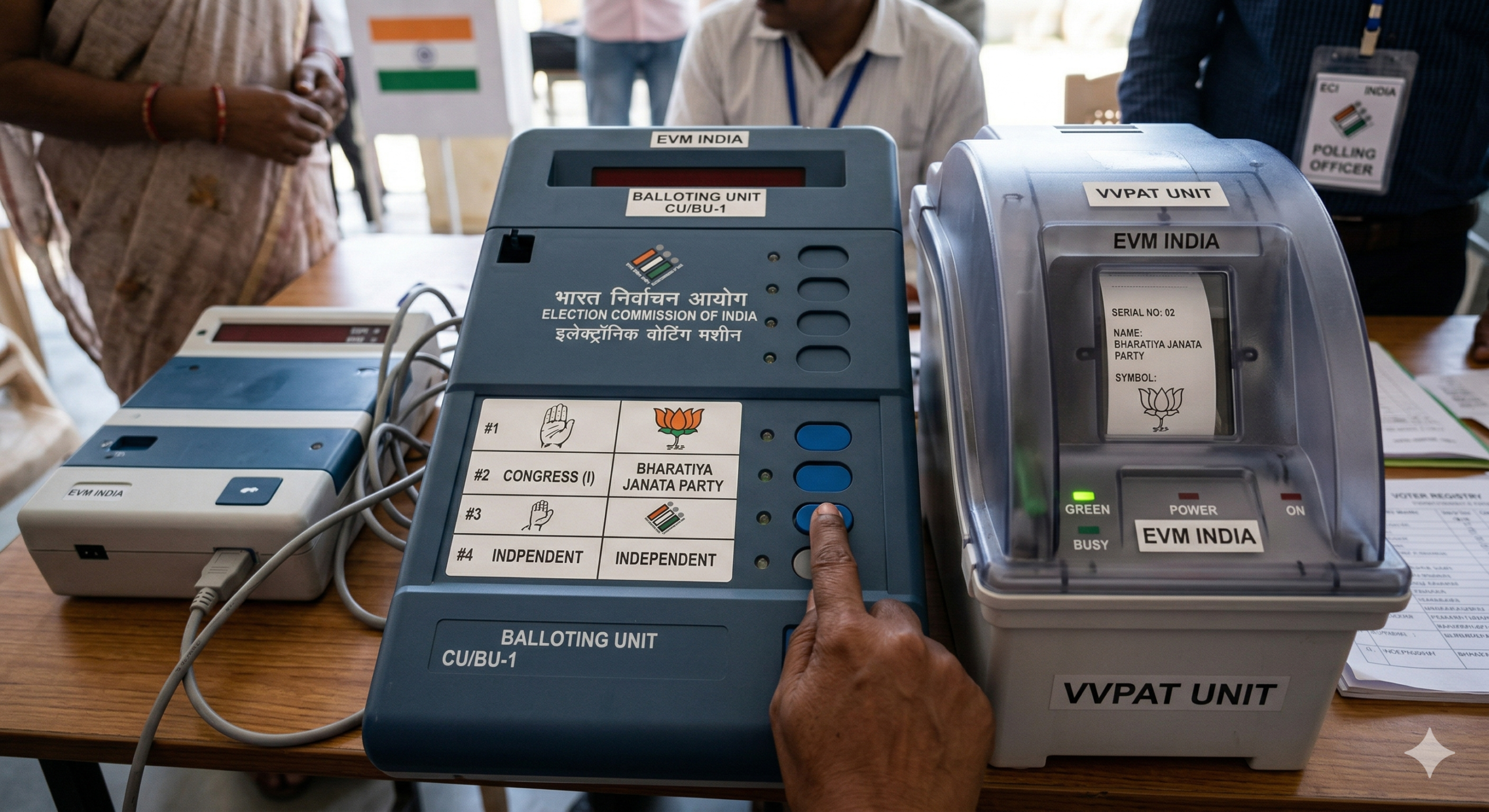
EVMs: Foolproof Future or Digital Gamble? The Shocking Truth About Your Vote!
9. Regionalism and Federal Tensions
India follows a federal structure, where power is divided between the central and state governments. However, conflicts often arise over: (Indian Democratic System)
- Resource distribution
- Political differences
- Administrative control
These tensions can slow down decision-making and affect governance.
10. Voter Apathy in Urban Areas
Interestingly, while rural areas often show strong voter participation, many urban citizens do not vote. (Indian Democratic System)
Reasons include:
- Busy lifestyles
- Lack of interest
- Belief that one vote doesn’t matter
Low participation weakens democratic representation.
Conclusion
India’s democracy is both inspiring and imperfect. The challenges it faces are real, but they are not impossible to overcome.
The solution lies in:
- Educated and aware citizens
- Transparent governance
- Strong institutions
- Responsible political leadership
Democracy is not just about elections—it’s about participation, accountability, and continuous improvement.
Frequently Asked Questions (FAQs)(
Indian Democratic System)
1. What is the biggest challenge in Indian democracy?
One of the biggest challenges is the influence of money and criminal elements in politics, which affects fair representation.
2. Why is voter awareness important?
Because informed voters make better decisions, which leads to stronger governance and accountability.
3. How does corruption affect democracy?
Corruption weakens trust, slows development, and leads to misuse of public resources.
4. What role does media play in democracy?
Media can inform and educate citizens, but misinformation can also mislead voters and distort public opinion.
5. Can these challenges be solved?
Yes, through reforms, education, strict law enforcement, and active citizen participation.